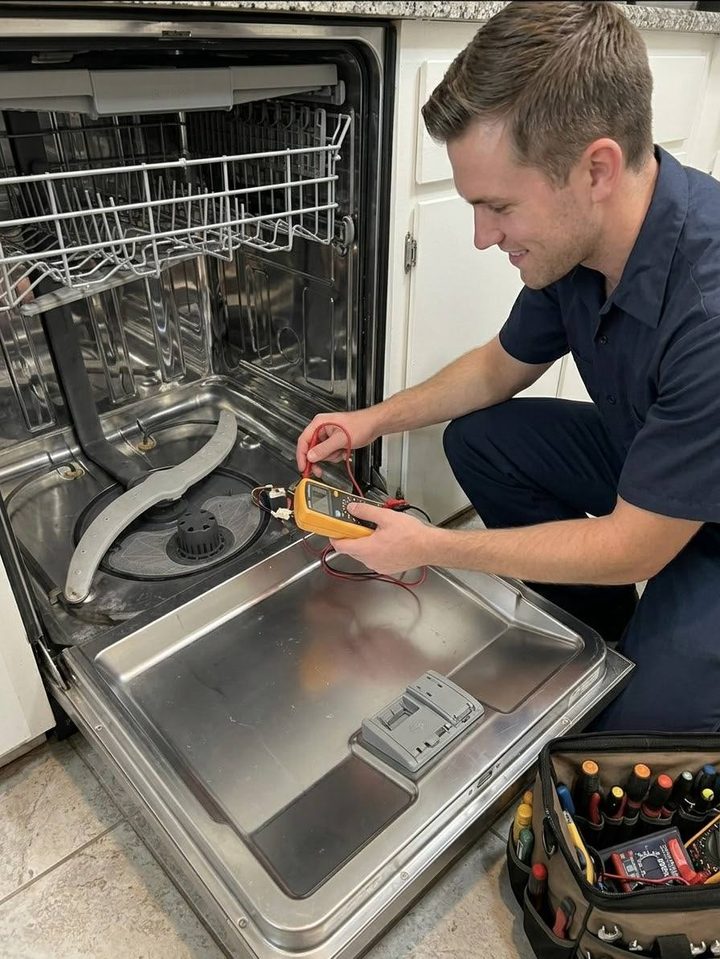
An ice maker fails without a sound — the bin just stops refilling. Anchor watches one complete make-and-harvest cycle with the covers off before naming anything, from $257 for the diagnosis and all labor.

What quiet failure usually means once the cycle runs under observation.
| The Complaint | The Usual Culprit | How It Closes |
|---|---|---|
| No ice at all | Frozen fill tube, weeping valve, or a stalled module | Cycle observed end to end; the silent link named in writing |
| Cubes small or hollow | Low fill volume — pressure, screen or valve | Water side metered before the module takes any blame |
| Cloudy, bad-tasting ice | Filter overdue, or mineral-heavy well water | Source established first — sometimes the fix is maintenance |
| Ice tastes fine, then stops | Bin sensor fooled, or the shut-off arm bumped | The cheap dignified answers checked before the parts talk |
| Water in the bin or floor | Fill overshoot or an icing drain path | Volume trimmed, path cleared, cycle verified |
| In-door system erratic | Dedicated cold loop losing its chill | Door duct and fan diagnosed on the platforms that use them |
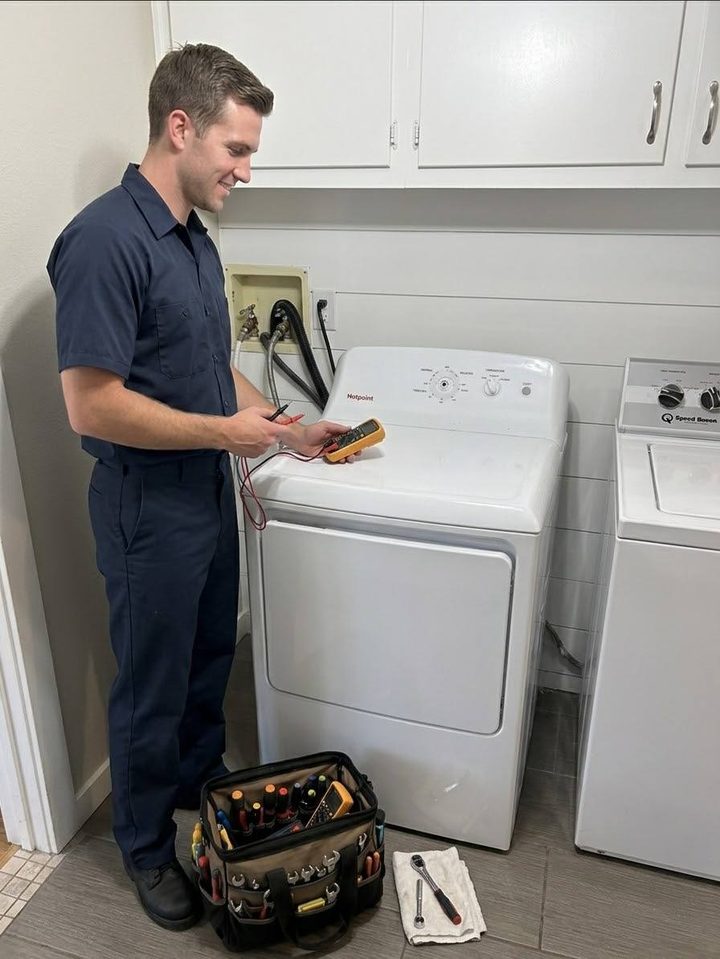
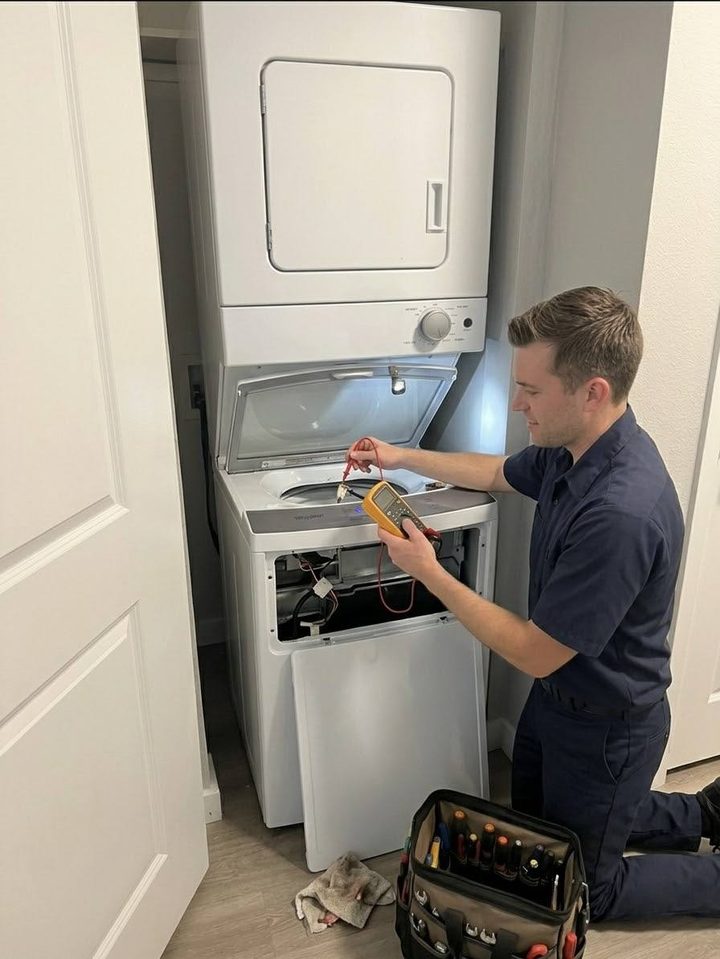
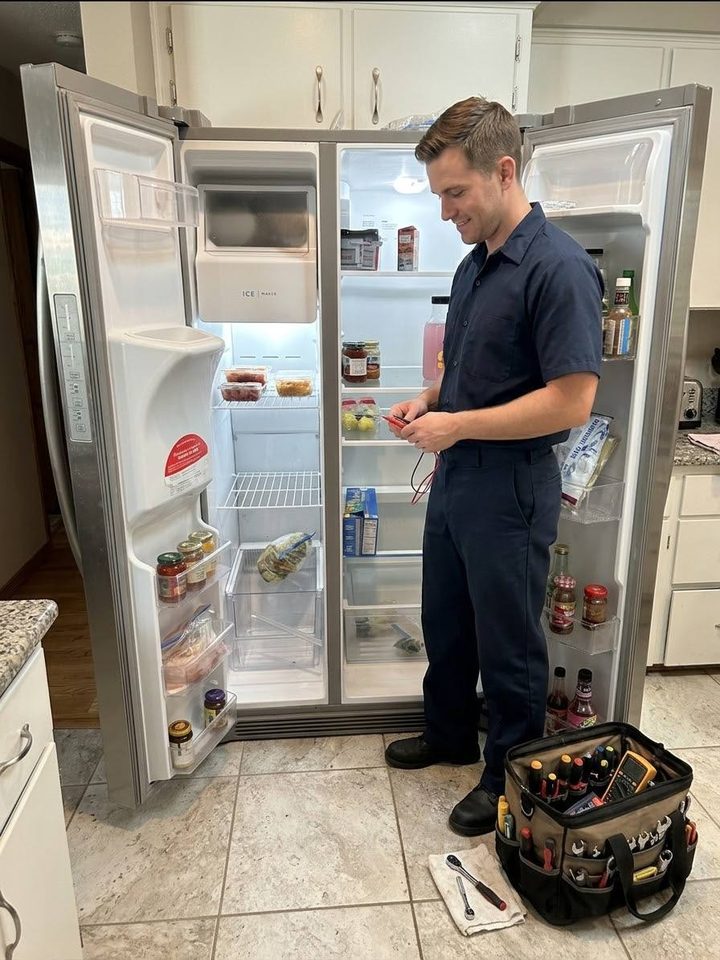
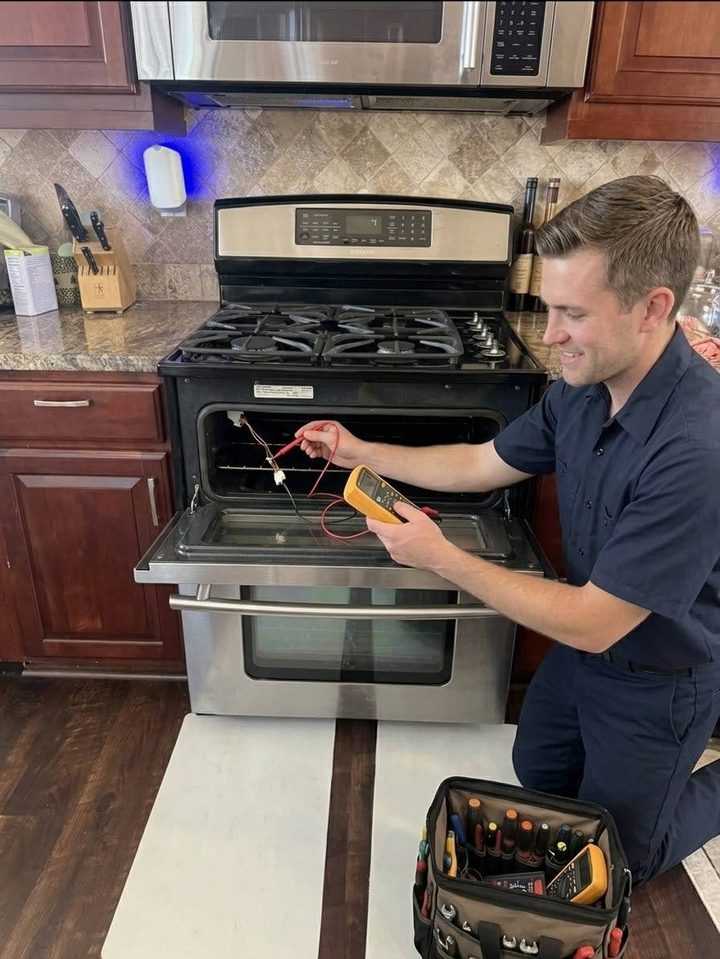
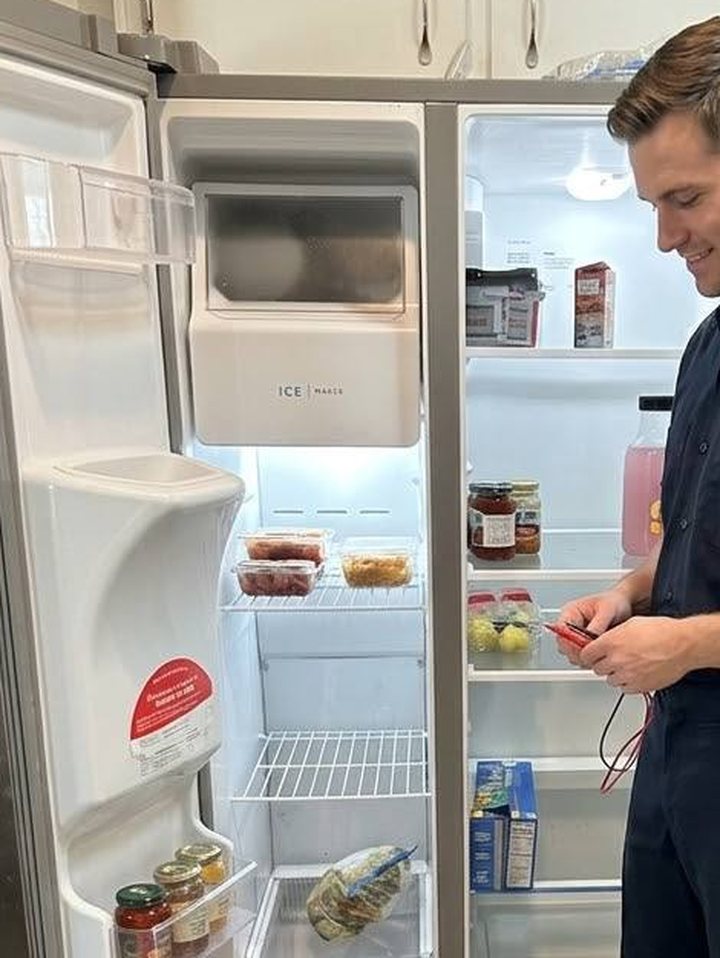
Straight from the rounds — the day's patients, the meter, and the hands doing the fixing.
Ring (360) 717-8997, or give the form ninety seconds — either way the intake starts stocking the van before it leaves Clare Ave.
Panels off, meter out, a full cycle observed where the fault demands it. Nothing gets named until it's measured.
Fault-finding and labor share the published figure; hardware gets quoted separately for your signature — or call it off at the verdict for $94 even.
The machine runs a full cycle under our eyes before the tools pack up — then the written parts-and-workmanship warranty stays behind with you.
East and south of town, every ice call opens with the water question. Mineral scale causes slow-motion trouble, and once in a while the right medicine is a filtration setup rather than any component — the documented verdict tells you which purchase actually helps.
📞 Call (360) 717-8997From $257 — the trip, the observed cycle and the labor, one figure. Valves, tubes and modules get their own signed lines when truly needed, and plenty of these calls wrap at $94 because the machine was fine and the filter wasn't.
Because ice makers live on a chain — freezer climate, water pressure, valve, tube, thermostat, harvest drive, bin sensor — and any link idles the whole organ silently. Ten patient minutes of observation out-diagnose an hour of parts-swapping, and the observation is already funded inside the from-price.
Usually yes. Door-ice French-door systems fail mostly through their fan and air path — familiar territory here. A handful of boutique designs only the factory may touch, and you'd learn that on the phone at no cost, before any visit exists.
Quite possibly nothing is broken at all. Heavy weather stirs well tables and flavor rides along — allow two days and swap the filter first. Still off after that? Book the visit, and the observed cycle pins down the guilty link on paper.
Household under-counter machines, yes — real refrigeration appliances that book at the ordinary figures. Genuine commercial ice equipment needs a commercial refrigeration crew with flush-cycle service programs, and intake says so straight out instead of experimenting on gear a business leans on.
Call (360) 717-8997 — the observed-cycle diagnosis separates maintenance from malfunction in one visit.
Every other appliance announces its trouble — noise, water, smoke, silence where a hum should be. The ice maker just stops, and by the time anyone notices, the failure could sit anywhere on a chain that runs from household water pressure through a valve, a fill tube, a thermostat, a harvest motor and a bin sensor. Guessing along that chain is how healthy modules get replaced; watching it work — or fail to — is how Anchor closes these calls in one visit.
On this peninsula the ice maker's diet decides its diseases. City water in town keeps the caseload mercifully simple: frozen fill tubes, weeping valves, filters left in place a season too long. The well lanes east and south write harder charts — mineral scale narrowing screens and valves years ahead of schedule, taste that shifts with the water table. The $257 figure covers the metering that separates those stories, and when the honest prescription is filtration rather than parts, the paper says exactly that.
Modules do fail — thermostats stick, harvest drives strip, sensors lie — and the common platforms' parts ride the van. The swap itself sits comfortably inside a from-price visit, the old part leaves with us, and one full cycle runs to a harvested bin before the invoice prints. If the fault instead traces to the freezer's own cold, you'll be told the refrigerator chart is the one that actually needs opening — before the money moves, not after.
Open what applies to your house; leave the rest furled.
An ice maker idles silently when any link fails — climate, pressure, valve, tube, thermostat, harvest drive, bin sensor — and the only honest way to name the link is to watch one full make-and-harvest cycle with the covers off. That patience is already funded inside the from-price, which is why Anchor's ice verdicts come with evidence instead of adjectives.
City water keeps the caseload simple: frozen tubes, weeping valves, forgotten filters. Well lanes write harder charts — scale narrowing screens years early, taste shifting with the water table. The intake call asks the water question first because the answer reorders every suspect on the list.
Cloudy shrinking cubes on hard water are usually maintenance; sudden stoppages are usually mechanical. The two bill very differently, and the written finding names which one you have — including the times the honest prescription is a filter and a reset that closes the visit at the diagnosis figure.
Municipal water grants the home city gentle ice caseloads: a frozen tube here, a seeping valve there, filters past their prime. In rentals the silent ice maker is the complaint everyone postpones — and one of the cheapest things to put right before lease renewal makes it a grievance.
Town machines sip municipal water and fail in tidy, predictable ways; head east and the well question rewrites the suspect list entirely. Intake leads with the water source because the answer literally loads the van.
The classic north-end combination is gentle municipal water meeting a filter nobody remembered, and it sends half these examinations home as maintenance rather than repair. The mechanical half — seeping valves, worn modules, door-ice circuits — closes from what the van carries.
Chew the ice in Manchester and you can practically read the plumbing: well lanes make cloudy cubes at a dwindling pace, village water makes clean ice that quits without warning. An odd taste after a storm has earned itself two days and a fresh filter before it earns anyone a service call.
Nothing on the map ages an ice system faster than raw valley well water — scale claiming the valve, grit packing the screens, a lone cartridge filter doing work meant for real treatment equipment. When proper filtration is the true first step, the finding comes out and says it.
Point-side ice work runs to valves and fill tubes on district water, plus the occasional in-door system wanting its private cold path examined. The lull between boats holds a full observed cycle with time left over.
Poulsbo proper drinks from the mains while the outer lanes pump their own — two water stories, two failure patterns, and a single observed-cycle discipline covering both on the northern loop.
The published figure carries the trip, the fault-finding and however much labor the cure demands — that line never grows. Hardware travels separately: each component quoted at its own price and installed only over your signature. And when the wise course is to stand down, $94 settles the entire visit.
📞 Call (360) 717-8997Ice calls fold neatly into any route day — mention the water source at booking and the right stock rides along.