From shipyard-era coil ranges to touchscreen slide-ins, the peninsula cooks on every generation ever sold — and Anchor meters them all the same way: measure first, name the part second, from $287 for diagnosis and labor.

Each complaint and the chain the meter walks to close it.
| The Complaint | The Usual Culprit | How It Closes |
|---|---|---|
| Oven stone cold | Element, igniter, sensor or the wall supply | The four-link chain metered in order — cheapest first |
| One burner dead | Element, receptacle, switch — or salt-air corrosion | Terminals inspected before any electronic accusation |
| Bakes uneven or drifts | Temperature sensor aging out of calibration | Thermometer test, then sensor or control by the numbers |
| Gas burner clicks forever | Igniter weak, ports fouled, or a damp base | Burner chain observed live — glow, valve, flame |
| Error beeps mid-bake | Control fault or a genuine sensor reading | Code read against the platform, cause proven, not reset |
| Door won't release after clean | Self-clean latch jammed by the heat cycle | Latch freed and renewed — a known, modest repair |
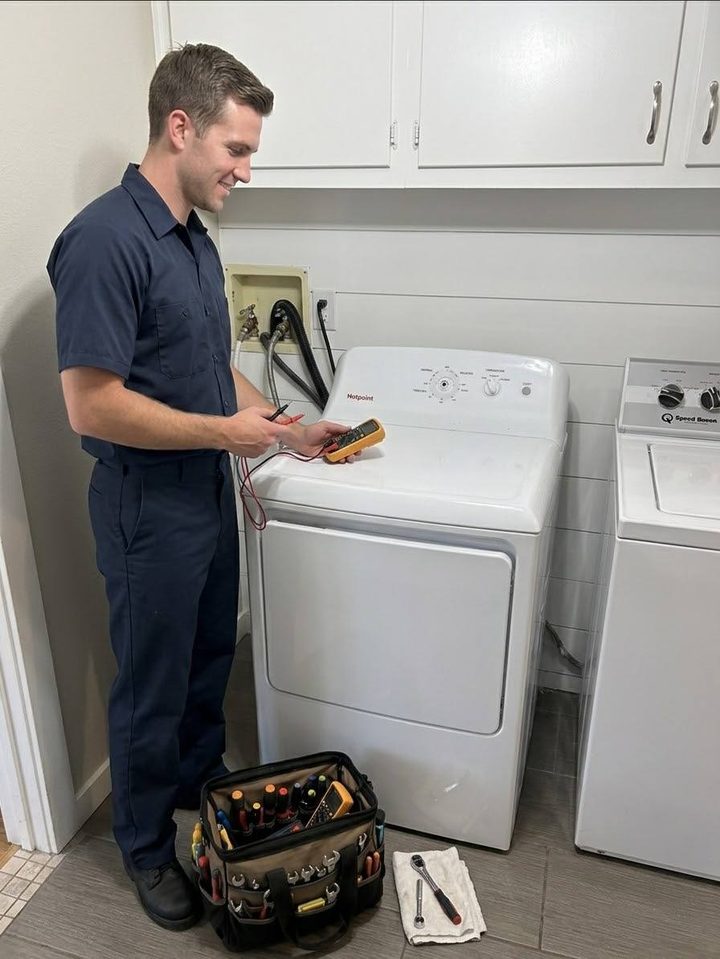
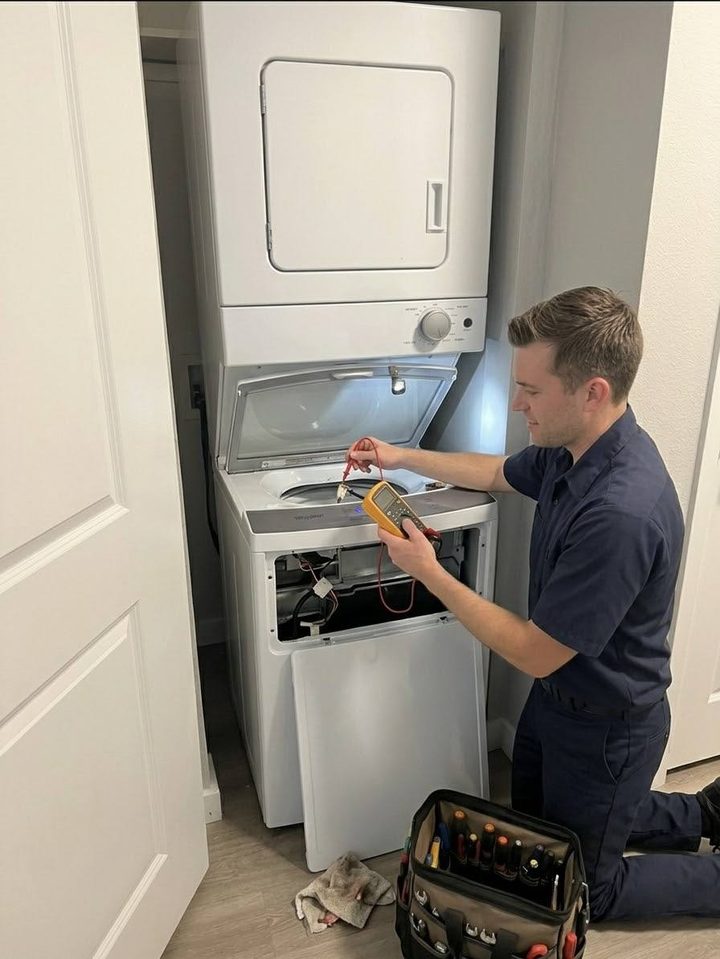
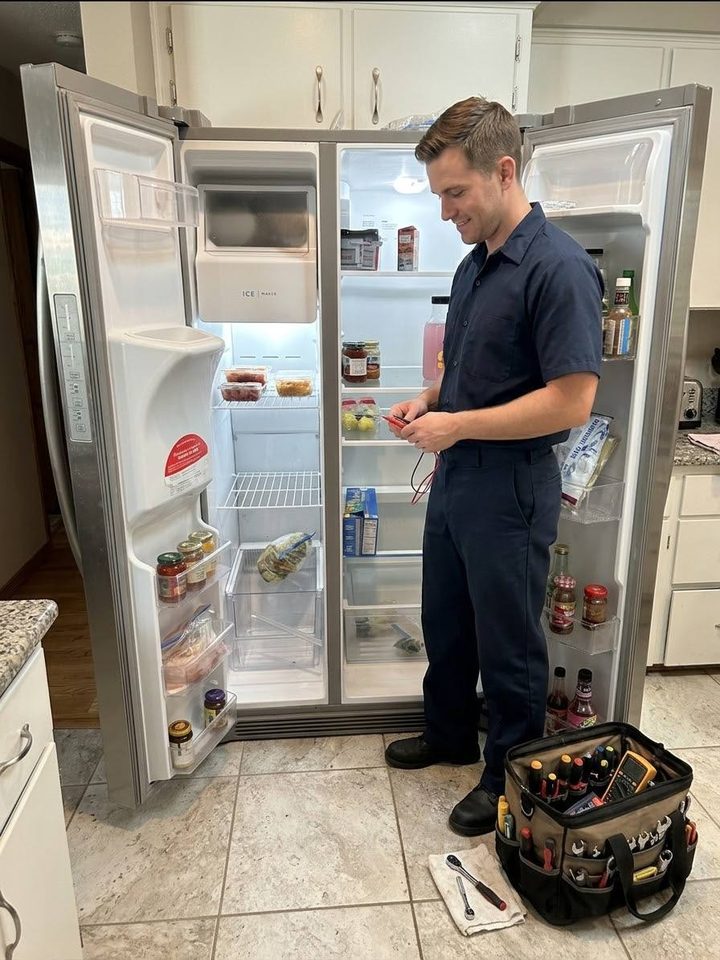
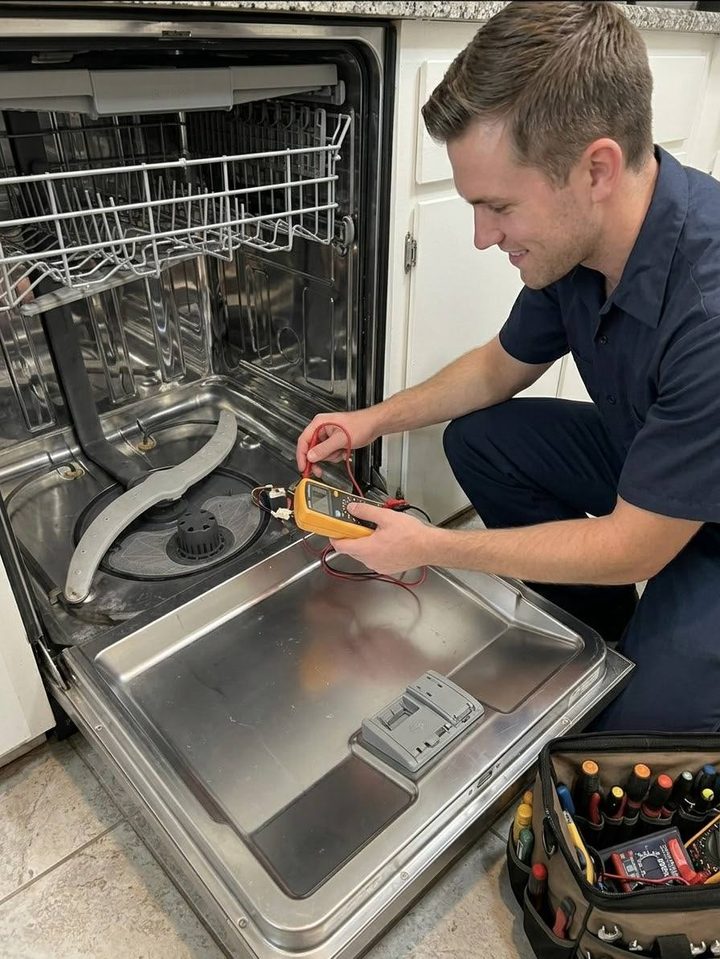
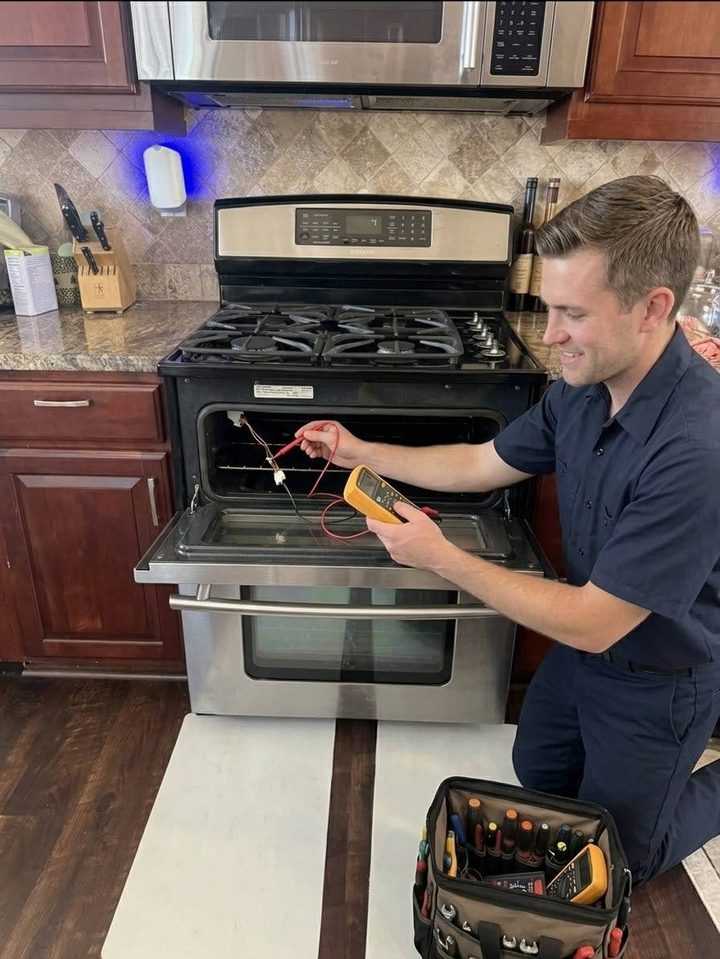
Straight from the rounds — the day's patients, the meter, and the hands doing the fixing.
Ring (360) 717-8997, or give the form ninety seconds — either way the intake starts stocking the van before it leaves Clare Ave.
Panels off, meter out, a full cycle observed where the fault demands it. Nothing gets named until it's measured.
Fault-finding and labor share the published figure; hardware gets quoted separately for your signature — or call it off at the verdict for $94 even.
The machine runs a full cycle under our eyes before the tools pack up — then the written parts-and-workmanship warranty stays behind with you.
Appliance-side propane work — igniters, sensors, orifice checks — is standard Anchor duty. The tank, regulator and supply line stay with your gas provider, and the written finding marks that boundary honestly.
📞 Call (360) 717-8997From $287 for the trip, the examination and the labor — and when a wall oven and a cooktop are both acting up, one call covers the pair. Hardware arrives on its own signed line: elements and switches at friendly prices, boards dearer and convicted only on meter evidence.
All three, weekly. Electric dominates in town, gas appears in newer builds, and propane owns a real share of the rural lanes. Anchor handles the appliance side of all of them and finishes every gas job with a leak check.
Often it isn't the burners — it's their connections. Salt-seasoned air corrodes terminals into convincing impressions of dead elements, so shoreline kitchens get their cheap corroded suspects inspected before any expensive electronic ones. It's the least glamorous check on the van and it cancels the most parts lines.
Frequently, yes. The coil ranges that came to Bremerton with the shipyard generations were built to accept repair — switches, elements and thermostats still flow for those platforms at honest prices. When a true antique has finally outlived its parts supply, the $94 verdict says so plainly instead of stringing you along.
No — the heat of the cycle jams aging latches all the time, especially right before holidays. It's a known, modest repair, and the door comes open without harm. Skip the crowbar and book the visit.
Call (360) 717-8997 with the symptom — burner and igniter stock for the common platforms rides every route.
Kitsap kitchens span a century of cooking technology: ranges older than their houses' second roofs above the inlet, builder-package glass-tops in the plats, propane workhorses down the rural lanes, and touchscreen slide-ins wherever a kitchen was remodeled this decade. They fail differently — the old guard through switches and elements, the new through sensors and boards — but the discipline that fixes them is identical: measure before naming, price before fitting, test before leaving.
Oven heat passes through four stations — supply, control, heat source, sensor — whose replacement costs span an order of magnitude. Taking them strictly in sequence is what keeps $287 an honest number: the outlet reads first, brightened terminals get retested before any element is condemned, and a full bake with a thermometer inside precedes any judgment on the sensor. The finding goes on paper with the part as its own line — or with no part at all, which happens more often than this trade admits.
On gas and propane units Anchor owns the appliance side — burners, igniters, flame sensors, valves at the machine. The tank, the regulator and the supply plumbing belong to your fuel provider, and when a finding crosses that line the paper says so and the referral is written. A whiff of gas that lingers is never a booking matter: shut the appliance down, air the room, and call your gas utility first.
Open what applies to your house; leave the rest furled.
Salt-seasoned air works on burner terminals and spade connectors until a healthy element reads dead. Shoreline kitchens therefore get their cheap corroded suspects brightened and re-tested before any board or sensor takes blame — the least glamorous check on the van and the one that cancels the most parts lines.
One full bake with a reference thermometer turns 'bakes weird' into evidence: a steady error convicts the sensor, a wandering one convicts the control, and neither part gets purchased on rumor. Those two suspects sit a tenfold price apart — reason enough that this test has never once been skipped.
On gas and propane units Anchor owns the machine side — burners, igniters, sensors, the valve at the appliance. Tank, regulator and supply plumbing belong to your fuel provider, and any finding that crosses the line gets marked on paper with the right referral. A lingering gas smell is a utility call first, always.
Ranges that arrived with the shipyard generations are still cooking, and still accept switches and elements at fair prices; the apartment stock swaps its glass-tops with every lease cycle. In vintage kitchens the outlet gets read on arrival — Bremerton's older circuits frame an innocent range almost weekly.
Marina-adjacent kitchens season their ranges in salt air, so terminal corrosion leads the local differential ahead of any electronics. Slide-ins and wall ovens in the newer corridors get measured, never guessed, on the same visit.
North-end kitchens cook almost exclusively on electric glass-tops, so the calendar fills with radiant elements, burner switches and sensors sliding out of calibration. Whether sensor or board takes the blame is a question the thermometer answers — never the wallet.
Shoreline rows marinate their ranges in salt haze; the wooded lanes cook on a fair share of propane. Both open the same way — what does it burn, and may we see the terminals — and both close with the finding in writing.
Propane's burner chain — glow, valve, flame — gets watched chapter by chapter on valley calls, while long rural circuits add slow-bake complaints that trace to voltage sag rather than the oven. Appliance-side work is Anchor's; the tank stays with your supplier.
Salt reaches every point-side kitchen in the end, and a furred terminal will play a dead burner with total commitment — happily the cheapest verdict a range can receive, and the first one tested for. Cooktop plus wall oven share one ferry-planned call.
From downtown veterans to college-corner touchscreens, the Viking town cooks on every era at once. Simple heat hardware cures from what the van carries; the electronic suspects face circuit-level measurement first, since guessing wrong up here costs ten times the guess.
The published figure carries the trip, the fault-finding and however much labor the cure demands — that line never grows. Hardware travels separately: each component quoted at its own price and installed only over your signature. And when the wise course is to stand down, $94 settles the entire visit.
📞 Call (360) 717-8997Range and oven bookings pile up ahead of every holiday — claim a window early in the week and cook without suspense.